Source Child Resistant Tin Can with Lock for Tea, Food, and Chemical Packaging
Find and compare 30 verified Child Resistant Tin Can with Lock options from Chinese manufacturers. Evaluate features like child-proof lids, tinplate materials, and custom sizes for tea, food, and chemical storage needs.
Key considerations
Products List


Custom Rectangle Roll Child Resistant Tin Can Childproof Tin Box Packaging
$0.15 - $0.20
MOQ: 5000 Pieces


Portable Child Resistant Tin Box with Secure Closure for Pre Roll Storage
$0.14 - $0.16
MOQ: 3000 Pieces


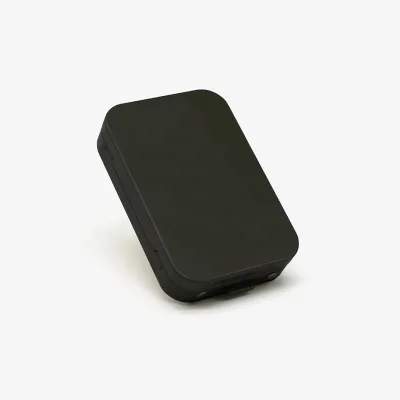


Custom Child Safe Lock Round Tin Container Child Resistant Proof Tin Jar Box
$0.15 - $0.49
MOQ: 5000 Pieces


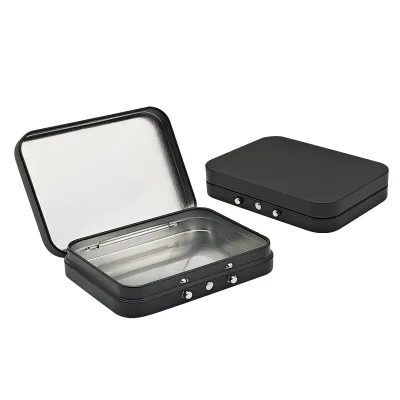
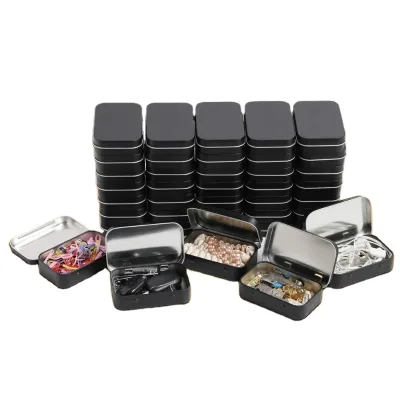
Comprehensive Sourcing Guide
Child Resistant Tin Can with Lock Sourcing Guide
Procuring child-resistant tin cans with locking mechanisms requires a careful balance between robust physical security and functional packaging integrity. These containers are engineered to prevent access by children under five years of age while remaining accessible to adults, a critical requirement for industries handling hazardous substances, pharmaceuticals, or high-value goods. The sourcing process involves identifying manufacturers who specialize in metal packaging with integrated safety features, ensuring that the locking mechanism is not merely an aesthetic addition but a certified safety barrier. Buyers must navigate a market where "child-resistant" is often used loosely, necessitating strict verification of mechanical performance and material durability.
The supply chain for these specialized containers is predominantly centered in manufacturing hubs with established metalworking capabilities, particularly in regions like Anhui and other parts of China. Suppliers in these areas offer a range of customization options, from standard rectangular forms to custom-sized tanks, allowing brands to tailor the packaging to specific product volumes and branding needs. Understanding the distinction between generic tinplate boxes and those with verified child-resistant locks is essential for avoiding compliance risks. This guide outlines the technical, commercial, and quality assurance steps necessary to secure a reliable supply of these safety-critical packaging solutions.
Product Scope and Observed Listing Signals
The observed market signals indicate a diverse range of metal packaging options, with many listings highlighting customization capabilities such as logo printing, embossing, and specific color finishes like silver, black, and white. While many products are described as simple tinplate boxes for jewelry, gifts, or general household use, a subset explicitly mentions features relevant to safety packaging, such as "Child Proof Lid/Normal Lid" options and specific model numbers that suggest specialized engineering. Buyers must carefully distinguish between standard decorative tin boxes and those engineered with the complex mechanical interlocks required for child resistance. The presence of terms like "Tin Box Joint Holder" or "Small Package Tank" suggests a variety of structural designs, but only those with verified locking mechanisms meet the core keyword requirement.
Material composition is a key differentiator in this category, with tinplate and pure tin being the primary materials observed. These metals offer excellent barrier properties against moisture and light, which is crucial for preserving the integrity of sensitive contents such as tea, food, or chemical products. The observed weight constraints, often under 0.5 kg, suggest that these containers are designed for smaller, high-value, or potent items rather than bulk storage. Additionally, the availability of eco-friendly certifications and various packing methods, including carton and carton box configurations, indicates that suppliers are adapting to both sustainability trends and logistical efficiency requirements. However, the presence of standard certifications like ISO, CE, and CIQ in some listings does not automatically imply child-resistance compliance; these often refer to general manufacturing quality or food safety standards.
Technical Specifications to Verify
Verifying the mechanical integrity of the locking mechanism is the most critical technical step in sourcing child-resistant tin cans. Buyers must confirm that the lid and base interlock in a way that requires a specific sequence of actions, such as simultaneous pressing and twisting, to open. Standard rectangular tinplate boxes, even those with embossed surfaces or screen printing, typically rely on simple friction fits or snap-on lids that do not meet child-resistant standards. The observed specifications mention dimensions like 886614mm and 5*5cm, as well as size ranges like S, M, and L, which are useful for volume planning but do not indicate safety performance. It is essential to request detailed engineering drawings or physical samples to assess the tolerance and durability of the lock, ensuring it does not fail after repeated use or under moderate force.
Material thickness and structural rigidity are also vital technical parameters that influence the effectiveness of the child-resistant design. A thin tinplate may deform easily, compromising the lock's engagement and allowing unauthorized access. Buyers should verify the gauge of the metal used, particularly in high-stress areas like the lid rim and base edge. The observed "Middle" size classification and rectangular shapes suggest a focus on compact, stackable designs, but the internal geometry must support the locking hardware without weakening the overall structure. Additionally, the surface handling processes, such as embossing or screen printing, should not interfere with the mechanical operation of the lock. Print layers must be thin and flexible to avoid adding friction or bulk that could hinder the precise movements required to open the container.
Compliance and Safety Documentation
Child-resistant packaging is heavily regulated, and buyers must insist on documentation that proves compliance with relevant international standards, such as ISO 8317 or specific regional regulations like those from the Consumer Product Safety Commission (CPSC) in the United States or similar bodies in the European Union. The observed certifications of ISO, CE, and CIQ are important for general quality and export compliance but are insufficient on their own to verify child-resistance. Buyers should request specific test reports from accredited laboratories that demonstrate the packaging's ability to withstand the standardized testing protocols for child access. These tests typically involve panels of children and adults to measure the time and difficulty required to open the container, ensuring that it is sufficiently secure for children while remaining accessible to the elderly or disabled.
Transparency in the testing process is crucial, as some suppliers may claim "child-proof" status based on internal, non-standardized tests. Buyers should verify that the testing was conducted on the final production version of the tin can, including the specific locking mechanism and material thickness. The observed "Eco-Friendly" attribute is a positive marketing point but does not correlate with safety performance. It is also important to clarify whether the certification applies to the entire assembly or just the lid mechanism, as the base and lid must work in tandem to provide effective protection. Documentation should also include information on the durability of the lock, ensuring that it remains functional after multiple open-close cycles and under various environmental conditions, such as humidity or temperature fluctuations.
Cost Drivers and Commercial Terms
The cost of child-resistant tin cans is influenced by several factors, including the complexity of the locking mechanism, the thickness of the tinplate, and the volume of the order. The observed MOQ range of 2 to 5000 units suggests that suppliers offer flexibility for small batches, but higher volumes may yield better unit prices. The presence of customization options, such as customized colors, logos, and embossing, adds to the production cost due to setup fees and additional processing steps. Buyers should be aware that the "Child Proof Lid" feature likely carries a premium over standard lids, reflecting the additional engineering and quality control required. Understanding the breakdown of these costs helps in negotiating favorable terms and avoiding unexpected charges for minor design changes.
Commercial terms also play a significant role in the total cost of ownership, particularly regarding packaging and shipping. The observed packing methods, such as carton pack or packaging in cartons, indicate that suppliers handle the outer logistics, but buyers should confirm the palletization and container loading efficiency. The origin of the products, primarily from China, including Anhui, affects shipping costs and lead times. Buyers should negotiate clear terms for sample production, as high-quality samples are essential for verifying the child-resistant features before committing to large orders. Additionally, payment terms should be structured to protect against quality issues, with a portion of the payment withheld until satisfactory inspection of the final goods is completed.
Supplier Qualification and Quality Control
Selecting a qualified supplier requires a thorough assessment of their manufacturing capabilities and quality management systems. Buyers should prioritize suppliers who have experience in producing safety-critical packaging and can provide references or case studies from previous clients in regulated industries. The observed "Custom Order" acceptance and "Customized" attributes indicate that many suppliers are flexible, but this flexibility must be balanced with strict quality control processes. It is essential to verify that the supplier has dedicated production lines or protocols for child-resistant products to prevent cross-contamination with standard tin boxes. Auditing the factory, either physically or through third-party agencies, can provide insights into their quality control practices and overall operational stability.
Quality control should extend beyond the final product to include raw material inspection and in-process checks. Buyers should ensure that the tinplate used meets specified thickness and purity standards, as variations can affect the performance of the locking mechanism. The observed "Surface Handling" techniques, such as embossing and screen printing, should be monitored to ensure they do not introduce defects that could compromise the seal or the lock. Implementing a robust inspection plan, including pre-shipment inspections, is crucial to catching any deviations from the agreed specifications. Buyers should also establish clear communication channels with the supplier to address any quality issues promptly and to facilitate continuous improvement in the packaging design and manufacturing process.
Long-Term Procurement Checks
Long-term procurement success depends on establishing a sustainable relationship with suppliers who can consistently deliver high-quality, compliant products. Buyers should conduct periodic reviews of supplier performance, focusing on metrics such as on-time delivery, defect rates, and responsiveness to quality issues. The dynamic nature of regulatory requirements means that suppliers must stay updated on changes in child-resistance standards, and buyers should verify that their suppliers are proactive in adapting to these changes. Regular re-testing of products, especially after any design or material changes, is essential to maintain compliance and ensure that the packaging continues to meet safety expectations.
Additionally, buyers should monitor market trends and technological advancements in packaging to identify opportunities for improvement or cost reduction. The observed "Eco-Friendly" and "Customized" trends suggest that sustainability and branding are increasingly important, and suppliers who can offer innovative solutions in these areas may provide a competitive advantage. Building a diversified supplier base can mitigate risks associated with single-source dependencies, ensuring continuity of supply even in the face of disruptions. Finally, maintaining open dialogue with suppliers about future needs and challenges fosters collaboration and innovation, leading to better packaging solutions that meet both safety and business objectives.
FAQs
Can these tin boxes be customized with a logo?
Yes, logo printing is available for these tin containers. The product page confirms that customized logos are acceptable and surface handling includes screen printing or embossing. Buyers can request specific designs to be applied to the metal surface, ensuring brand visibility for jewelry, gifts, or food packaging applications.
What materials are used for these tinplate containers?
The containers are primarily made from tinplate or tin metal. This material choice ensures durability and suitability for various storage needs, including food, household items, and chemical products. The metal construction provides a robust barrier while allowing for customization in color and shape, such as rectangular or middle-sized formats.
What are the standard dimensions for these tin boxes?
Standard specifications vary by model, with some measuring 88*66*14mm and others sized at 5*5cm. Sizes also include S, M, and L options for different packaging needs. These dimensions cater to diverse requirements, from small joint holders to larger tea or food storage solutions, ensuring a fit for various product types.
Are these tin cans certified for safety and quality?
Yes, certain models hold ISO, CE, and CIQ certifications. These standards verify that the manufacturing processes and product quality meet international requirements. Buyers seeking compliant packaging for food, household, or chemical applications can rely on these certifications to ensure regulatory adherence and product safety for end consumers in global markets.
What is the minimum order quantity for custom orders?
The minimum order quantity ranges from 2 to 5000 units depending on the specific product model. Some items accept custom orders with an MOQ of 1000, while others may start as low as 2 pieces. This flexibility allows buyers to test market demand with smaller batches or scale up for larger distribution needs.
How are these tin boxes packaged for shipping?
The products are typically packed in cartons or carton boxes. This packaging method ensures safe transit and protection of the tin containers during shipping. The use of standard carton packing helps maintain the integrity of the items, whether they are simple rectangular boxes or more complex designs with embossed surfaces and custom colors.